

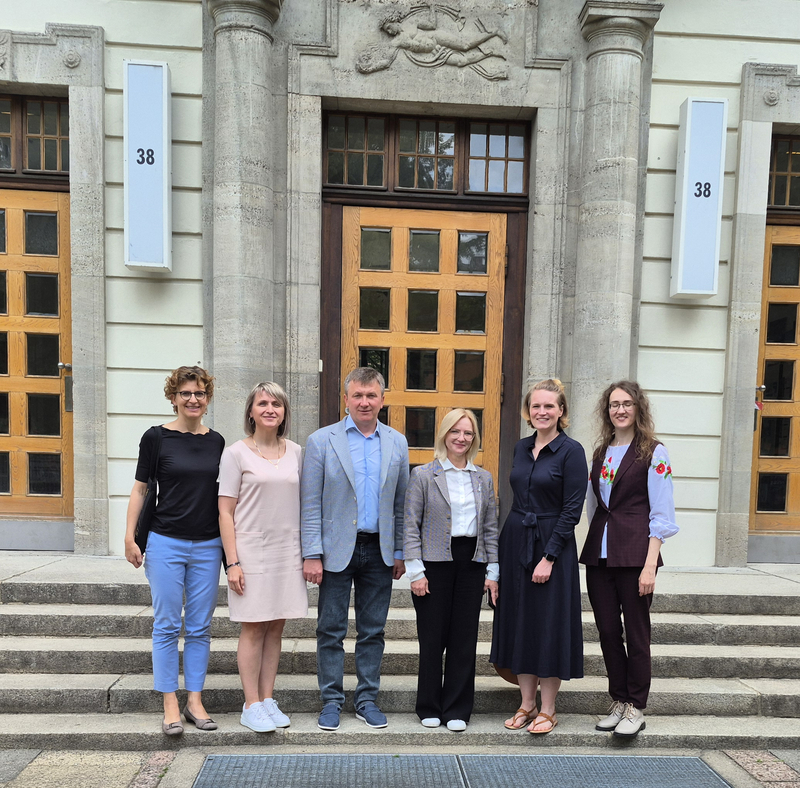
International cooperation becomes particularly valuable when it brings together not only lecturers and researchers, but also university leaders. Such a dialogue took place in June 2026, when Berliner Hochschule für Technik (BHT) welcomed a delegation from its Ukrainian partner universities within the framework of the DAAD-funded PACK IT project.

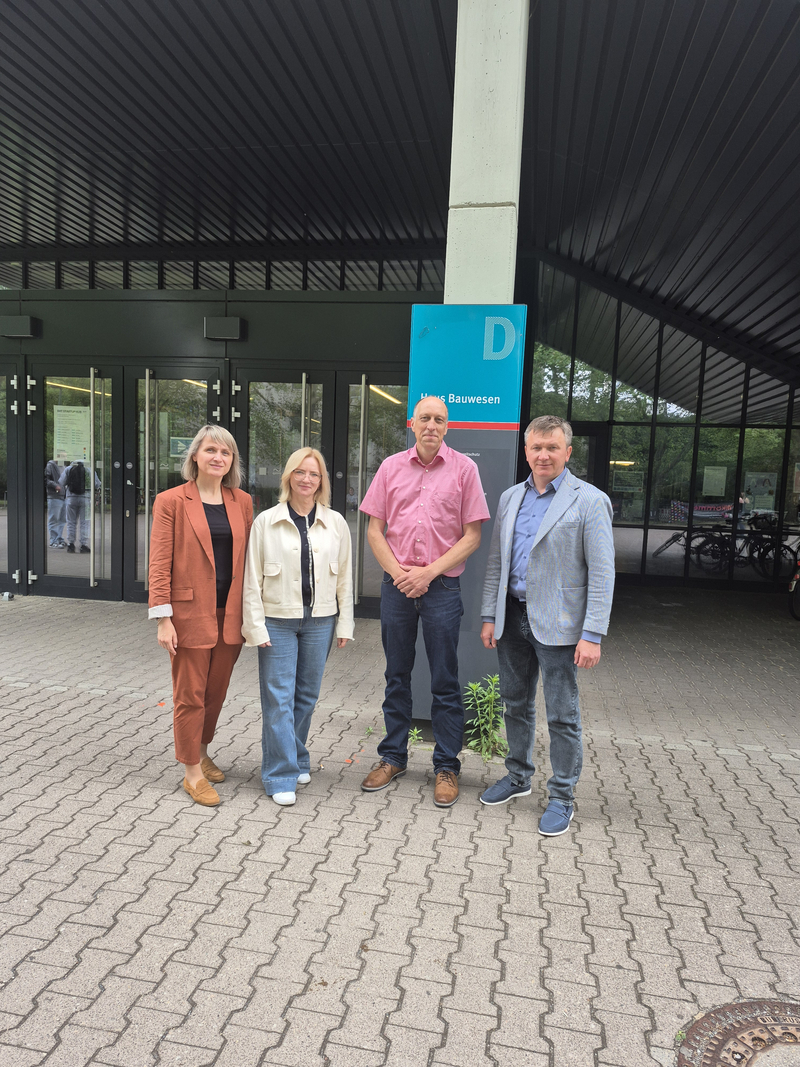
The delegation included Prof. Olena Hlazunova, Vice-Rector for Academic Affairs and Digital Transformation at the National University of Life and Environmental Sciences of Ukraine (NUBiP), Prof. Ihor Bolbot, Dean of the Faculty of Information Technology at NUBiP, and Anastasiia Shevchenko, Advisor to the First Vice-Rector and Quality Assurance Coordinator at the National University of Food Technologies (NUFT).
The visit focused on strengthening institutional partnerships and exploring future strategic initiatives. Throughout the programme, participants exchanged experiences in digital transformation, quality assurance, internationalisation, and modern approaches to higher education management.
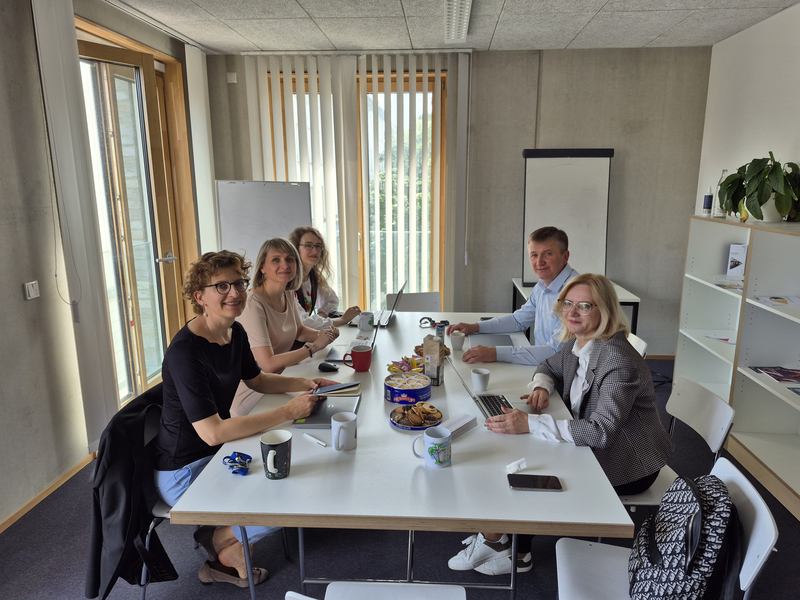
A key part of the visit was a meeting with Prof. Carola Müller, Vice President for Academic Affairs at BHT. During the discussion, the Ukrainian delegation introduced their universities, organisational structures, academic programmes, and key research areas. The participants also exchanged information on existing international cooperation activities, student mobility schemes, and Double Degree programmes with European and other international partners. In addition, the current status of the planned Double Degree programme between BHT and NUBiP was reviewed, together with opportunities for further strengthening institutional collaboration.
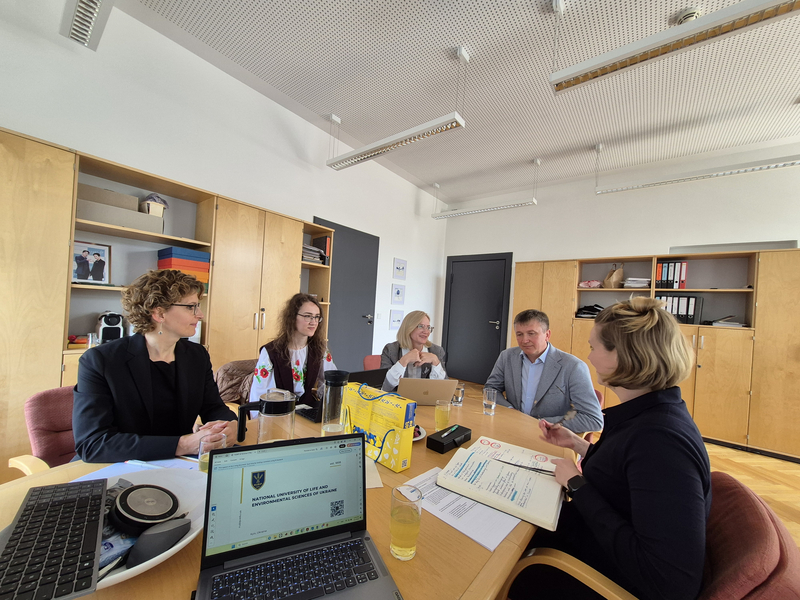
Further discussions took place with Prof. Peter Gober, Dean of Faculty VII, and Prof. Roland Kirchberger. The meetings focused on the planned Double Degree programme based on the Master’s degree programme Energy and Automation Systems (M.Eng.) at BHT and the corresponding Master’s programme in Robotics at NUBiP. Key elements of the agreement were reviewed and aligned, including curriculum structures, recognition procedures, academic requirements, and future implementation steps, bringing the programme significantly closer to completion.
The guests also participated in academic activities at BHT, including a visit to Prof. Roland Kirchberger’s Master’s course in Process Control Engineering. The session provided insights into teaching methods, practical engineering education, and current developments in automation and process control. It also created opportunities for direct exchange with BHT students and academic staff. Additional conversations focused on future cooperation in teaching, research, student mobility, and joint activities within the PACK IT network. Particular attention was given to the further development of Collaborative Online International Learning (COIL) activities, including future online lectures and virtual learning formats connecting students and lecturers from the participating institutions.
Another important element of the programme was a visit to the BHT library, where participants learned about modern learning environments, digital services, and support structures for students and researchers. The delegation also held an extensive discussion with Olivia Key, Head of the BHT Office of Global Engagement, on the future development of cooperation between the institutions. The meeting focused on long-term strategic perspectives, internationalisation activities, future joint initiatives, and opportunities for expanding academic exchange within the PACK IT network.

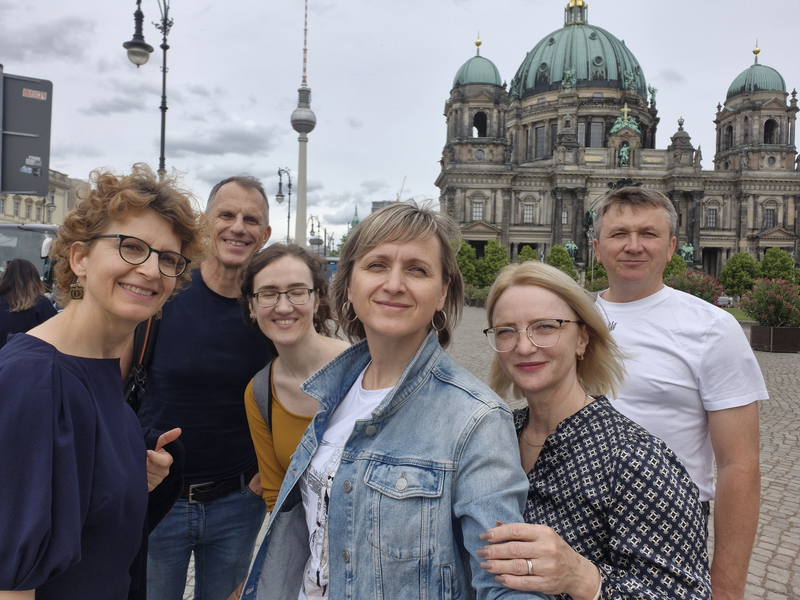
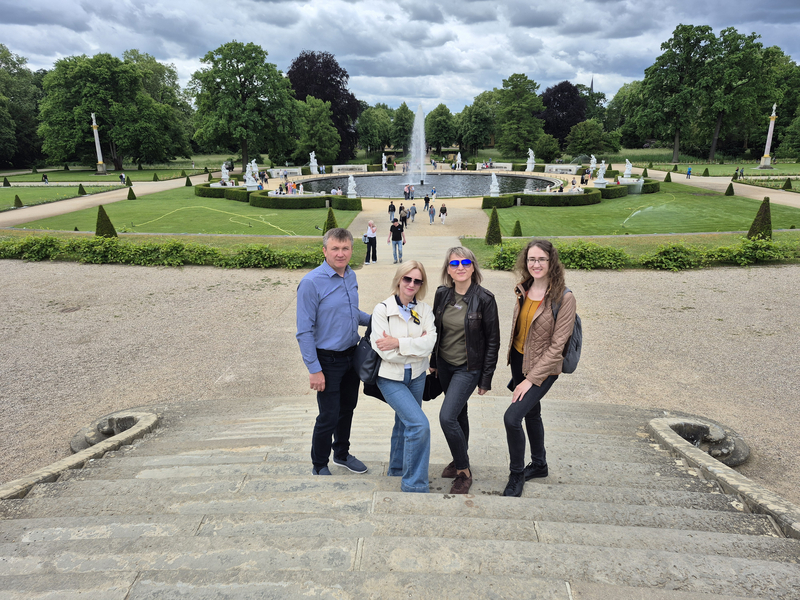
Beyond the official meetings, the programme included cultural and networking activities in Berlin and Potsdam, including visits to the German Bundestag, historical landmarks, and participation in the Long Night of the Sciences at BHT. These activities provided valuable opportunities for informal exchange and further strengthened personal and professional connections between the institutions.
The visit once again demonstrated that sustainable international cooperation is built on continuous dialogue, mutual trust, and a shared commitment to innovation in higher education. Through initiatives such as PACK IT, German and Ukrainian universities continue to create new opportunities for students, researchers, and academic staff while strengthening long-term institutional partnerships.
