Exciting week in the Paper Centre Gernsbach
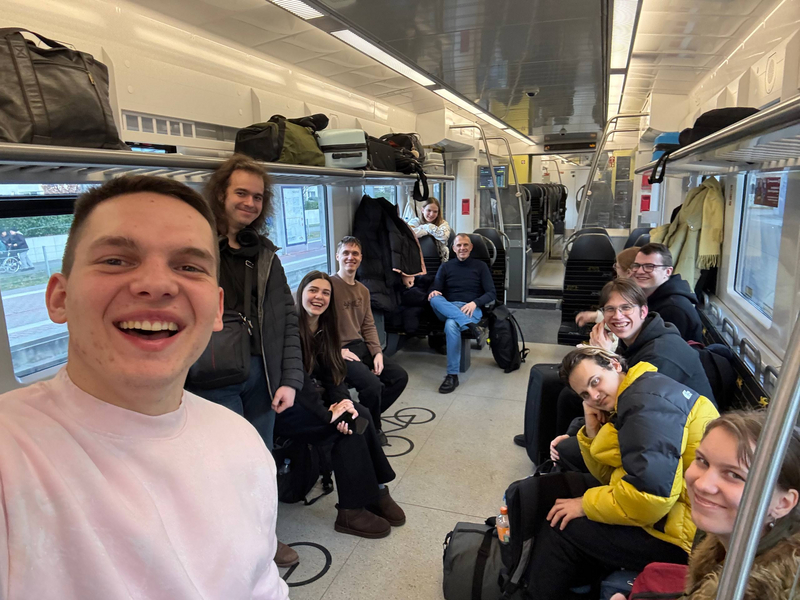
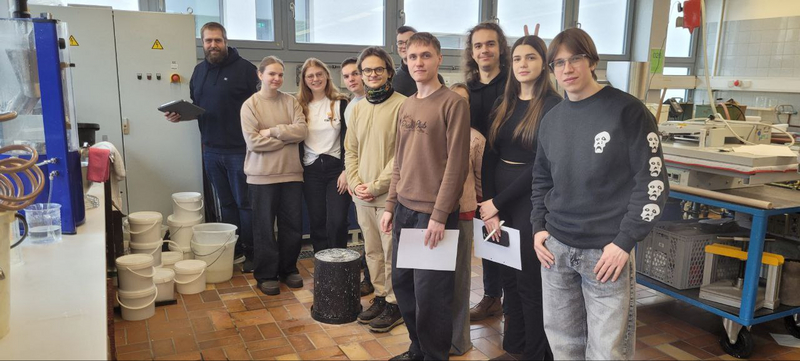
From 15 to 21 February 2026, 17 students experienced an intensive, exciting week at the Paper Centre in Gernsbach. Thanks to the PACK IT project, seven Master's students from the BHT (Packaging Technology and Management) and ten Ukrainian students from the universities NUFT and NUBiP were able to take part in this advanced course in the field of "Fibre-based Packaging Materials".
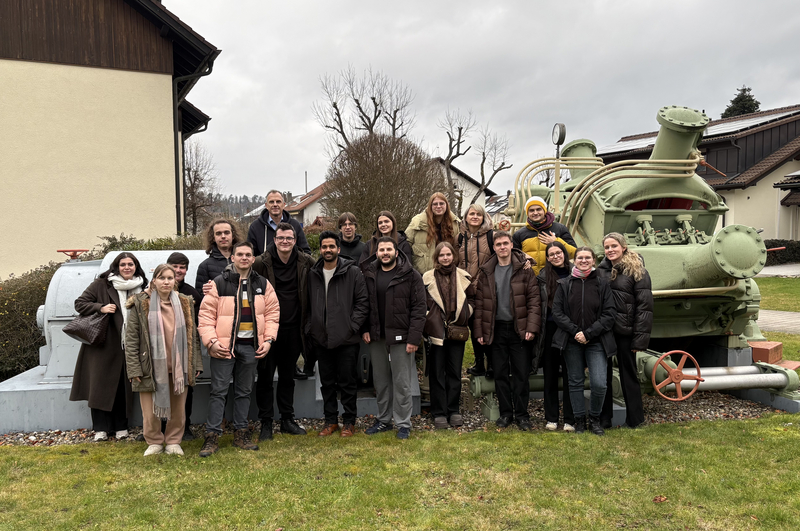
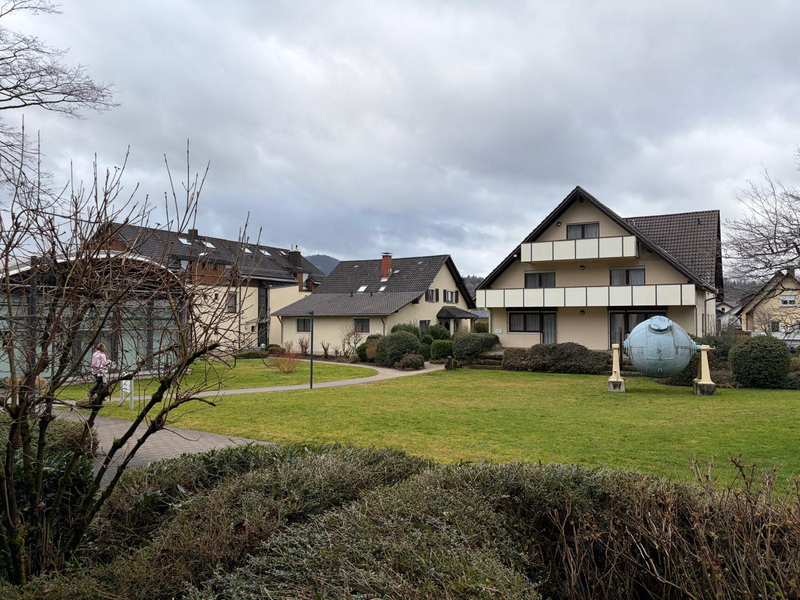
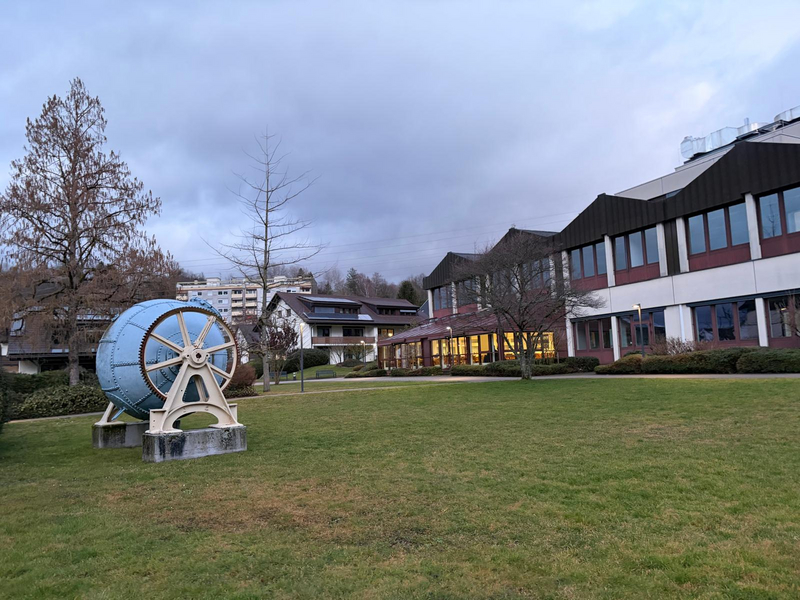
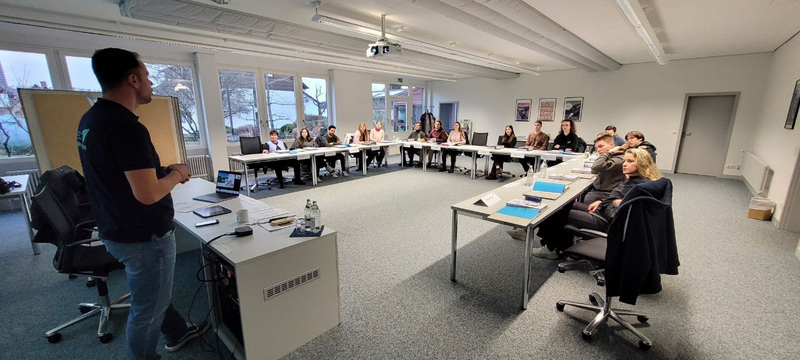
In order to do justice to the international orientation, both the lectures and the final exam were held in English. The theoretical modules began by laying the foundations: students learned how paper is made from wood and the various processes involved. Particular attention was paid to the processing of waste paper, as this raw material plays a central role in paper production in Germany. The paper machine was then analysed in detail. The tasks performed by the individual sections and how they influence the quality of the end product when a finished paper is produced from an aqueous fibre suspension were examined.
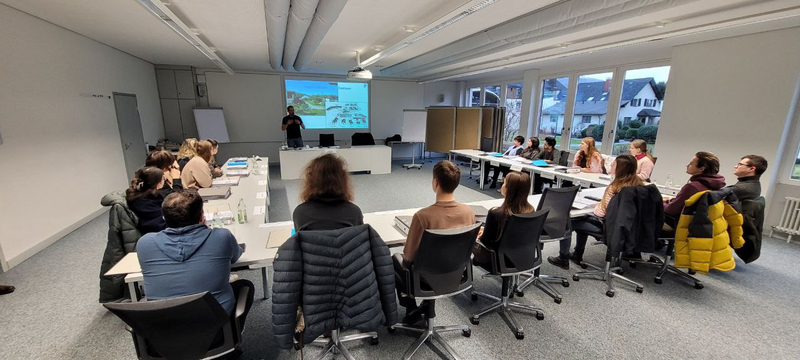
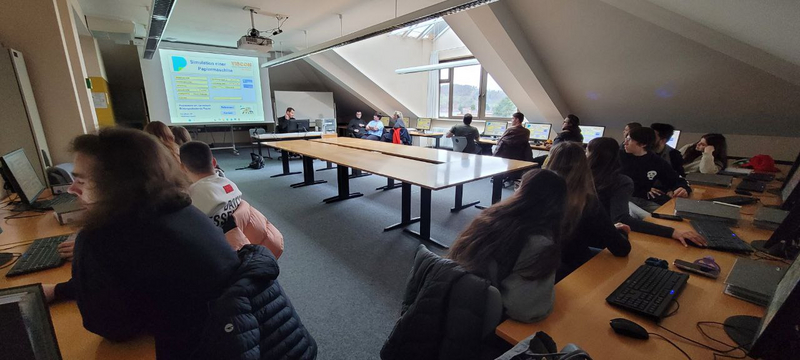
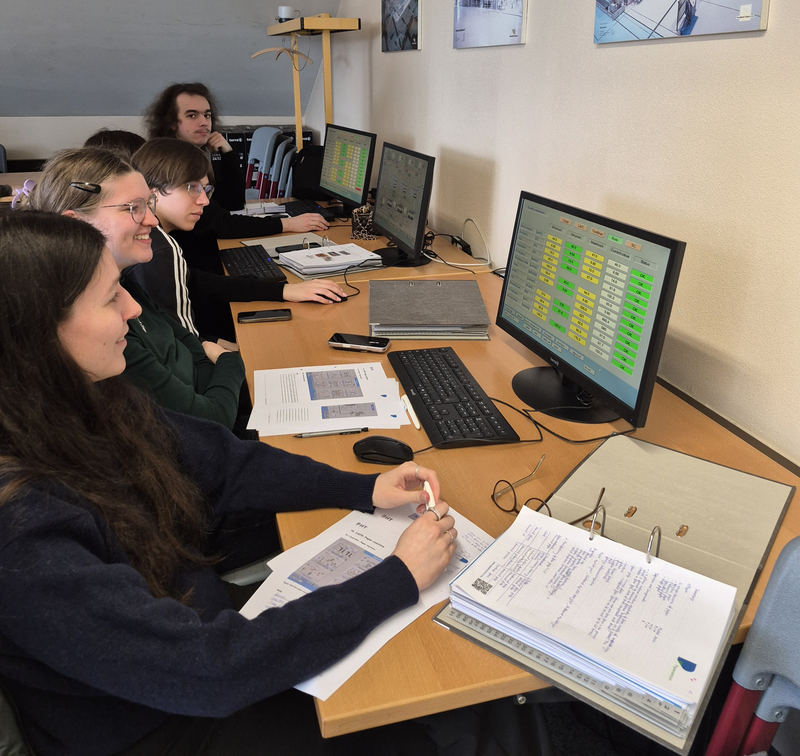
With the help of CAPS (Computer Aided Process Simulation) computer simulation, participants were able to control a virtual paper machine and experimentally investigate how different parameters affect paper quality. Here, too, knowledge from the automation lecture was necessary in order to precisely adjust the controllers to the required values. Since it is not only the fibres used that influence the properties of the paper, various additives and subsequent processes that can have different effects on the properties of the paper to be produced were also examined.
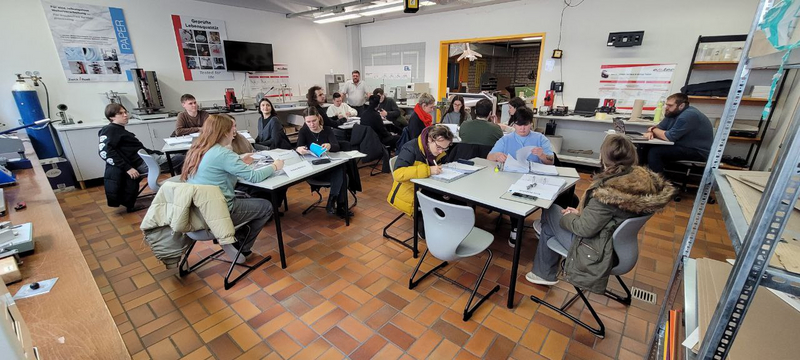
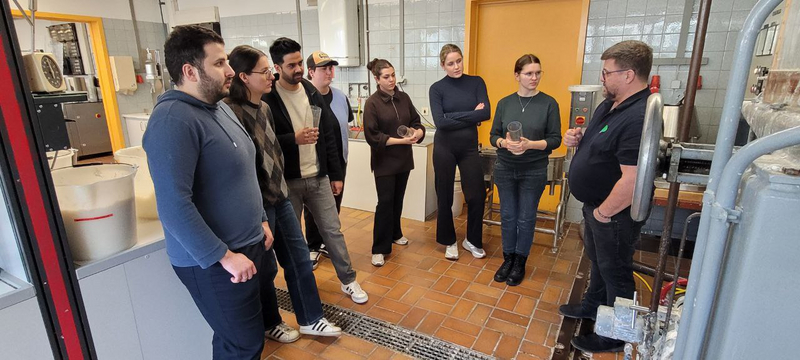
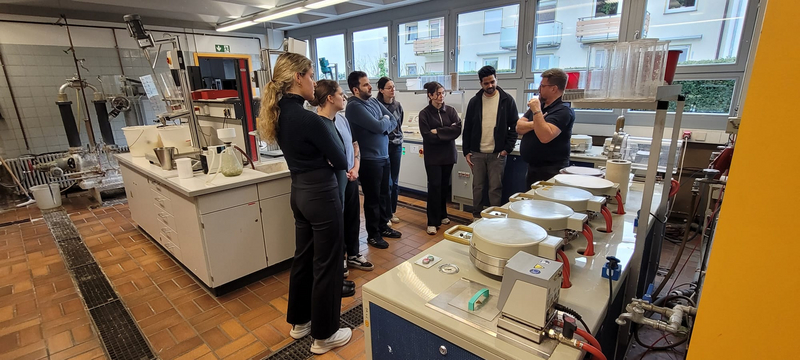
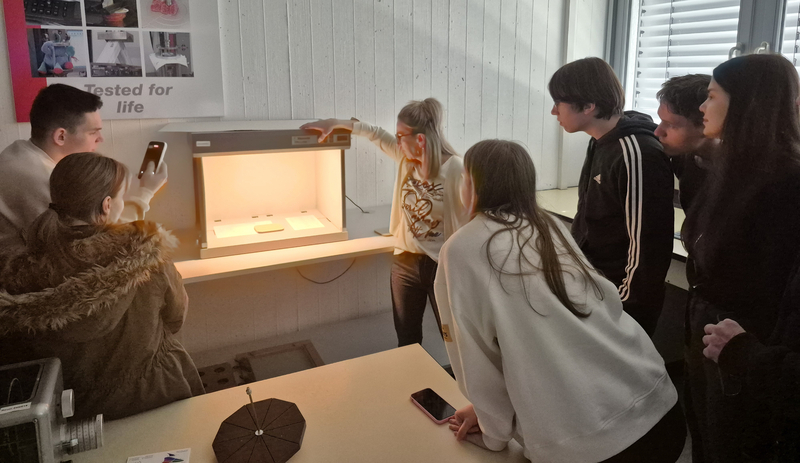
In addition to the theory, the students got hands-on experience in the laboratory. They deinked paper and examined how the grinding time in the refiner influenced the subsequent paper properties. A highlight was the production of their own samples in the sheet former, followed by property tests. The programme was rounded off with the basics of colour physics, where it was shown which tricks make paper appear whiter and how different light sources influence our colour perception.

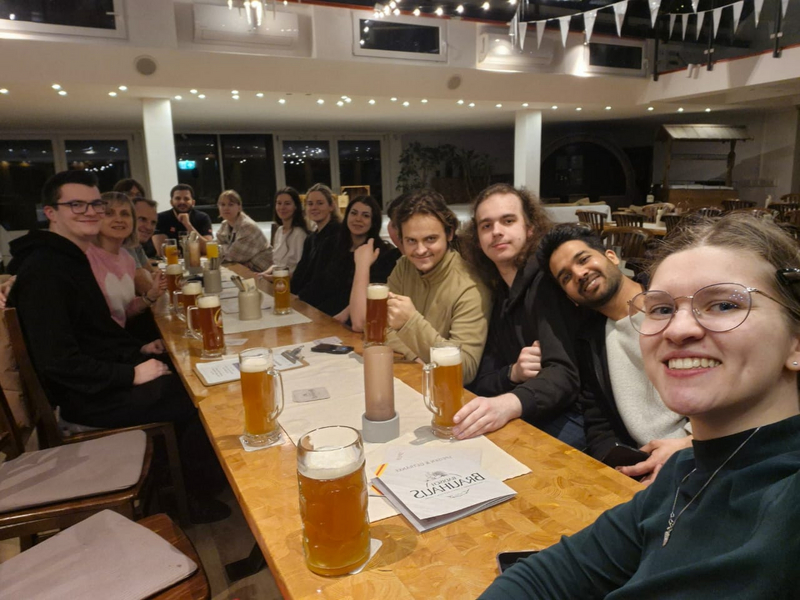
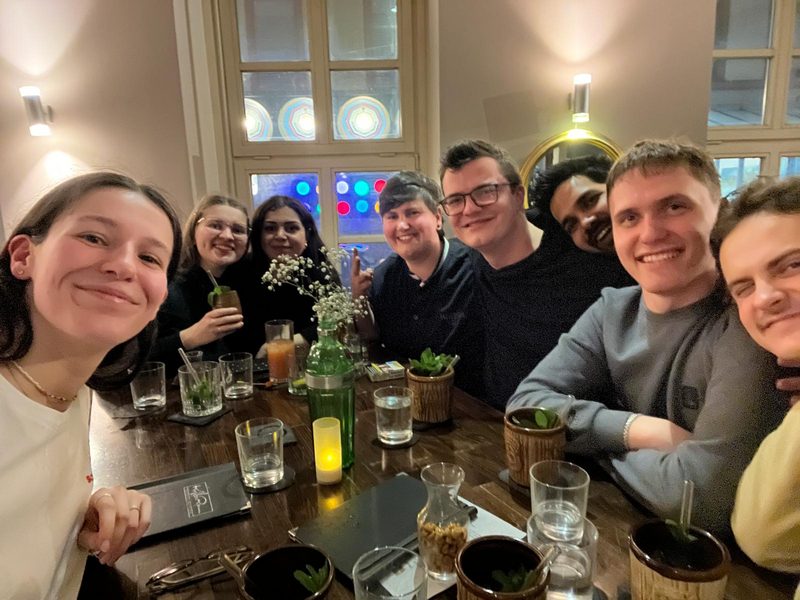
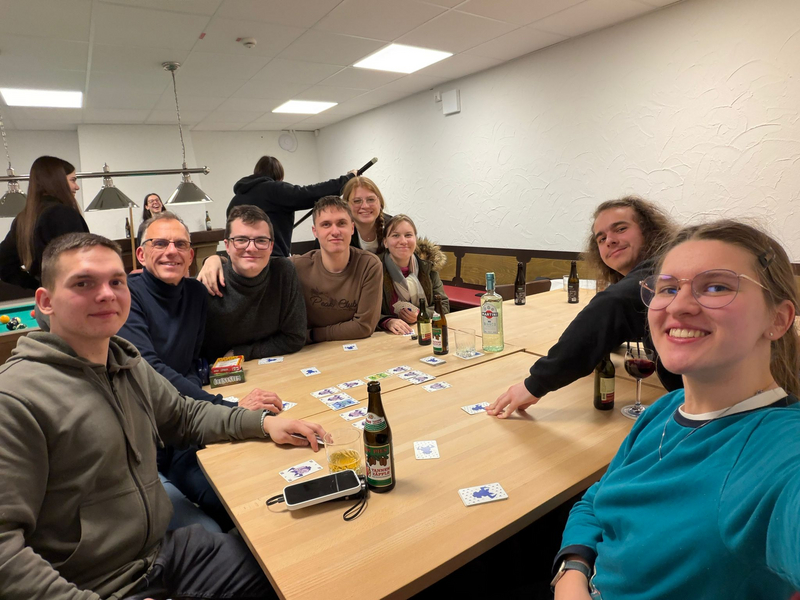
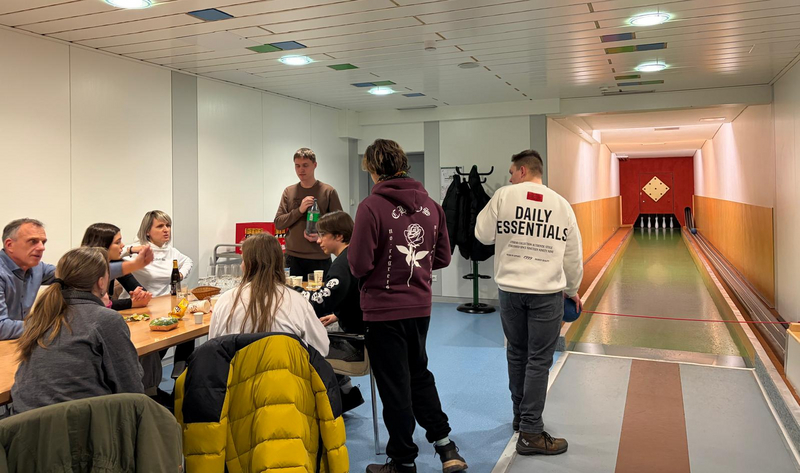
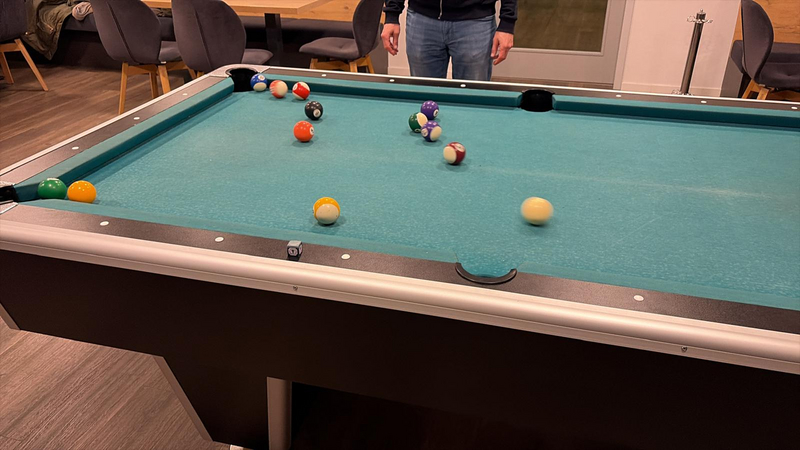
There was also plenty of time for socialising. Thanks to the on-site catering and accommodation in the guest house, there was plenty of time for conversation. Whether playing billiards, bowling or cards, the evenings provided the perfect opportunity to forge new contacts between Berlin and Kiev.

After successfully completing the final exam on the last day, the week came to a fitting conclusion in Karlsruhe. The students celebrated their success and new friendships over dinner together.