New Impulses for Academic Cooperation within the PACK IT Project
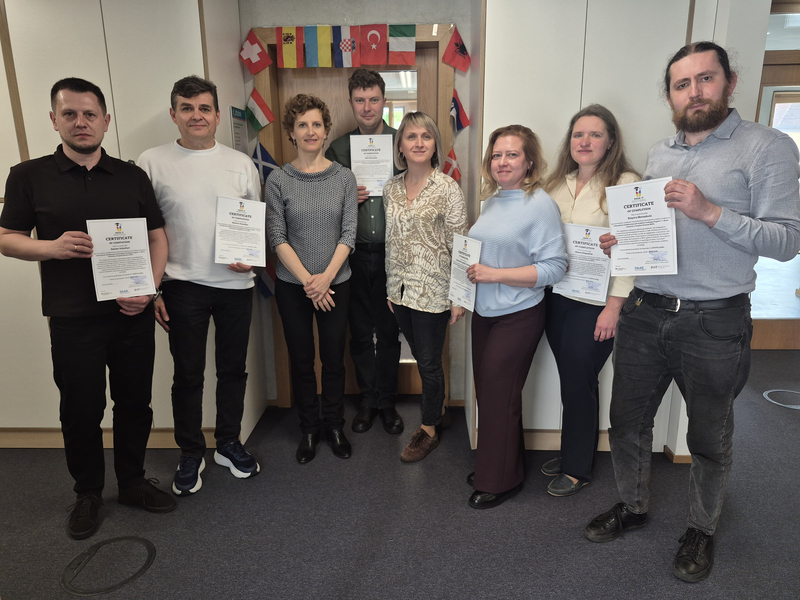
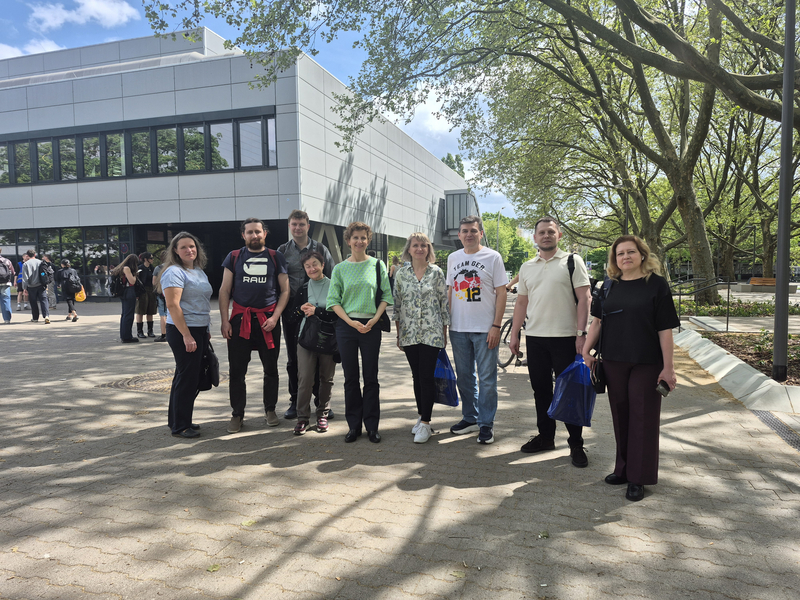
International academic cooperation becomes especially valuable when it develops through direct dialogue, shared practical experience, and personal exchange between universities. This approach once again became visible during the second visit of Ukrainian professors to Berliner Hochschule für Technik (BHT) within the framework of the DAAD-funded PACK IT project.
One of the key objectives of the project is to continuously involve new lecturers, researchers, and departments from partner universities in joint activities. Each visit therefore creates opportunities not only to experience academic life at BHT firsthand, but also to establish new professional contacts, broaden research perspectives, and identify future areas for cooperation in teaching, research, and student initiatives.
This year’s delegation from the National University of Life and Environmental Sciences of Ukraine (NUBiP) and the National University of Food Technologies (NUFT) participated in an intensive programme of academic exchange at BHT. Throughout the week, Ukrainian and German colleagues discussed teaching approaches, current research activities, digital learning technologies, and possibilities for strengthening joint educational initiatives within the PACK IT network.
The delegation included professors and researchers from various engineering and technology-oriented disciplines. Representing NUBiP were Prof. Dmytro Kasatkin, Head of the Department of Computer Systems, Networks and Cybersecurity, and Prof. Semen Voloshyn from the same department, whose work focuses on modern digital technologies and cybersecurity.


NUFT was represented by professors from several engineering and technology-oriented departments. Prof. Dmytro Matsebula and Prof. Oleh Klymenko from the Department of Automation and Computer Technologies of Control Systems shared their expertise in industrial automation and digital control systems. Prof. Liudmyla Kryvoplias-Volodina, Head of the Department of Mechatronics and Packaging Engineering, presented current developments in mechatronics and packaging technologies, while Prof. Olena Chepeliuk introduced research and teaching activities related to modern production technologies for the food and pharmaceutical industries.
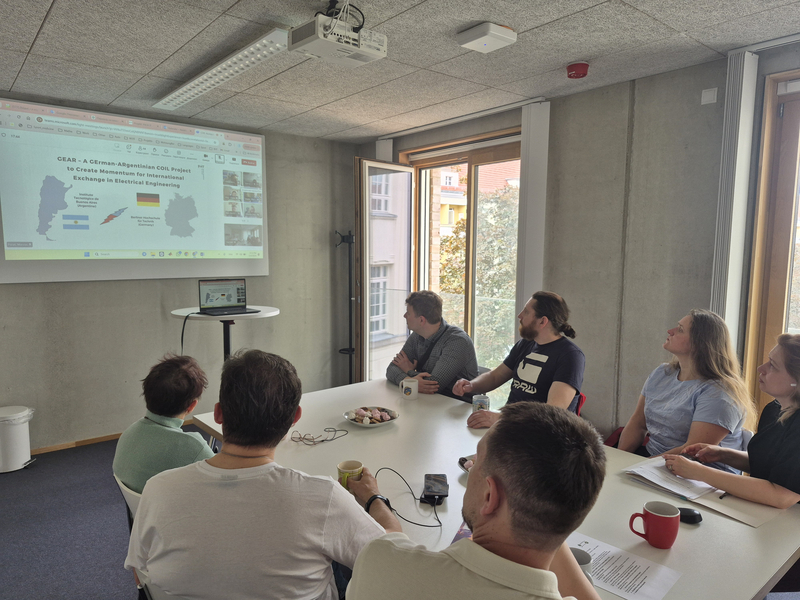
An important part of the programme was dedicated to presentations of departments, research areas, and student developments. During a meeting with Olivia Key, Director of the Office of Global Engagement at BHT, the Ukrainian guests introduced their universities, departments, and current academic activities, while participants discussed possibilities for future cooperation within the PACK IT network.
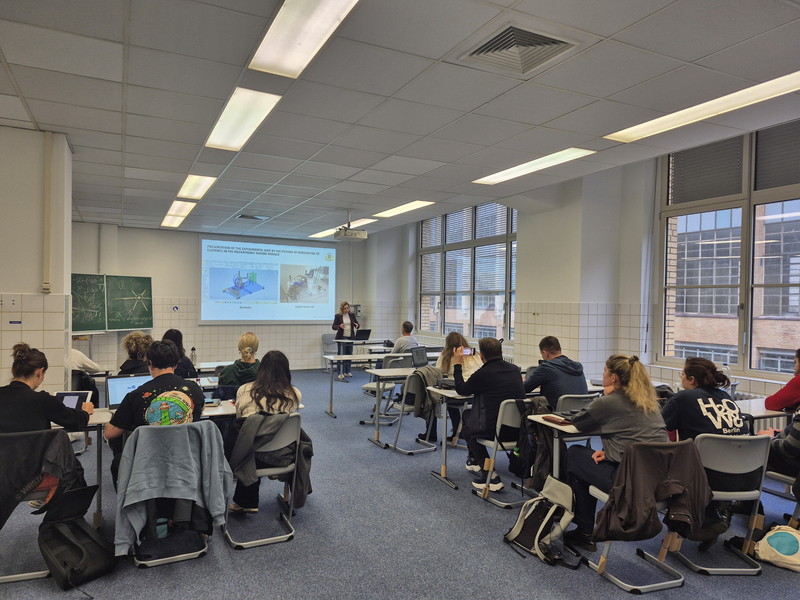
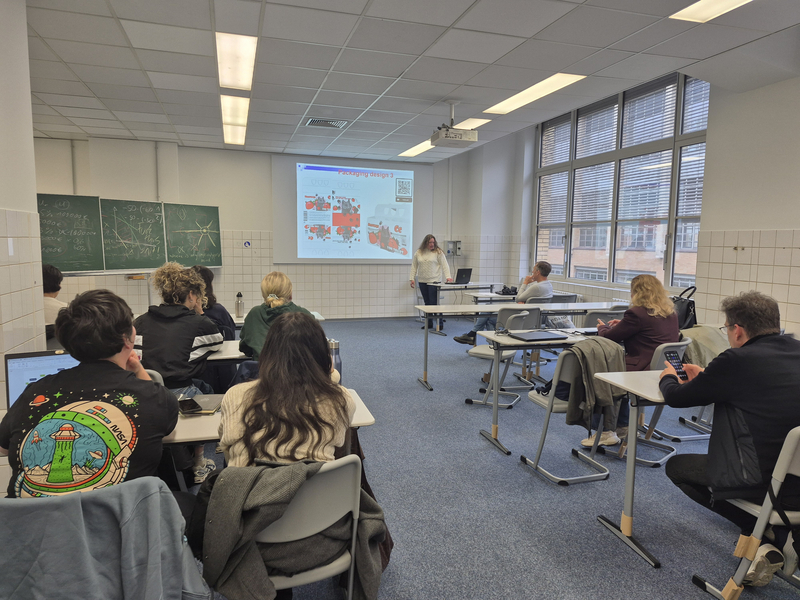
The visit also included lectures and workshops for Master’s students of Faculties V and VII. Ukrainian professors presented topics such as industrial automation using the PACFramework, Smart Campus technologies, digital design and 3D modelling, as well as computer technologies for packaging design and production. Alongside theoretical concepts, the lecturers demonstrated student developments, applied engineering solutions, and practical industry experience, encouraging lively discussions with students and professors at BHT.
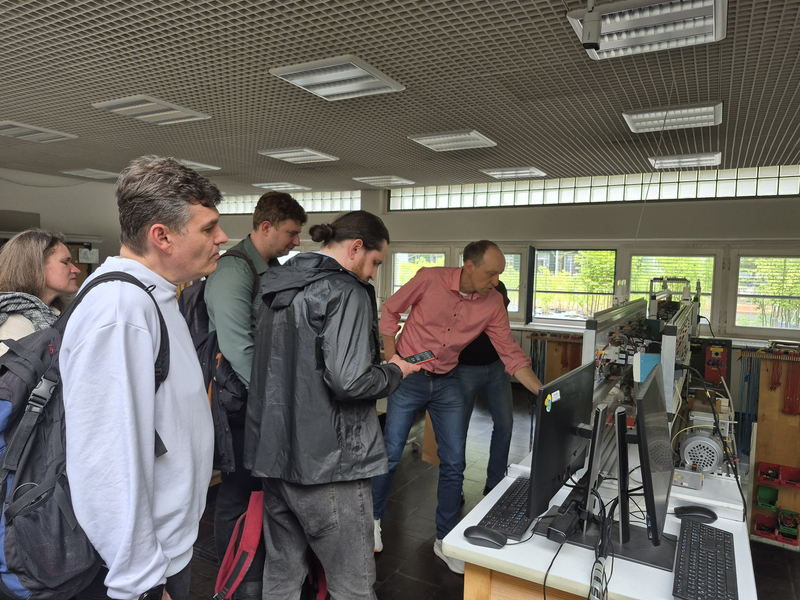
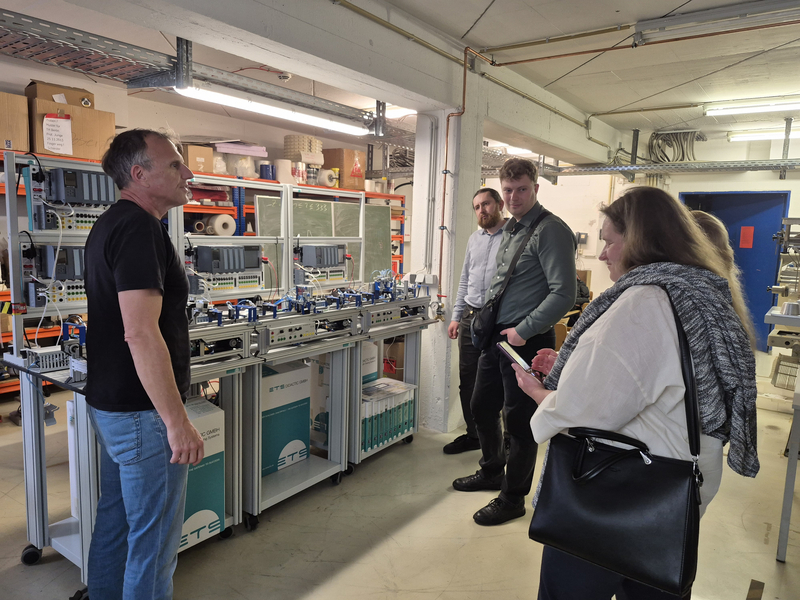
Particular attention was given to practice-oriented teaching and modern engineering education. Prof. Roland Kirchberger guided the guests through the electrical engineering and automation laboratories at BHT and introduced current activities in the fields of automation and process control engineering.
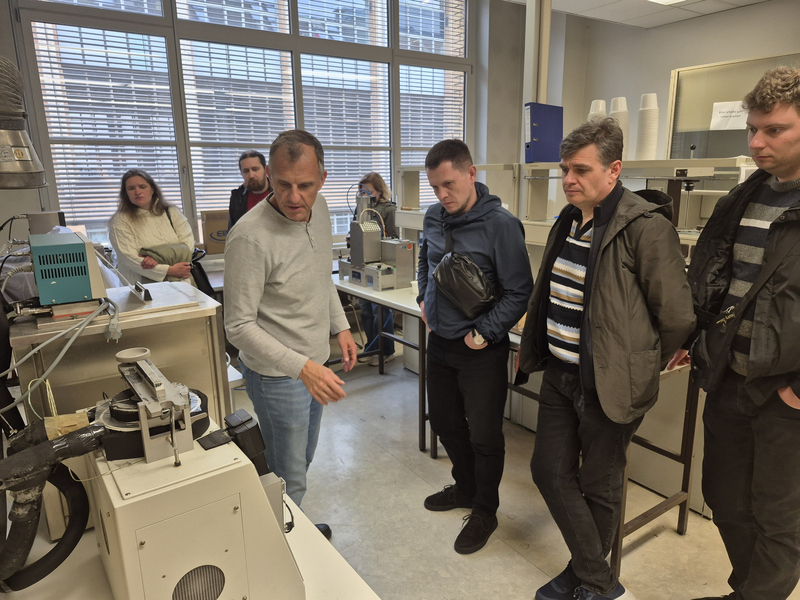
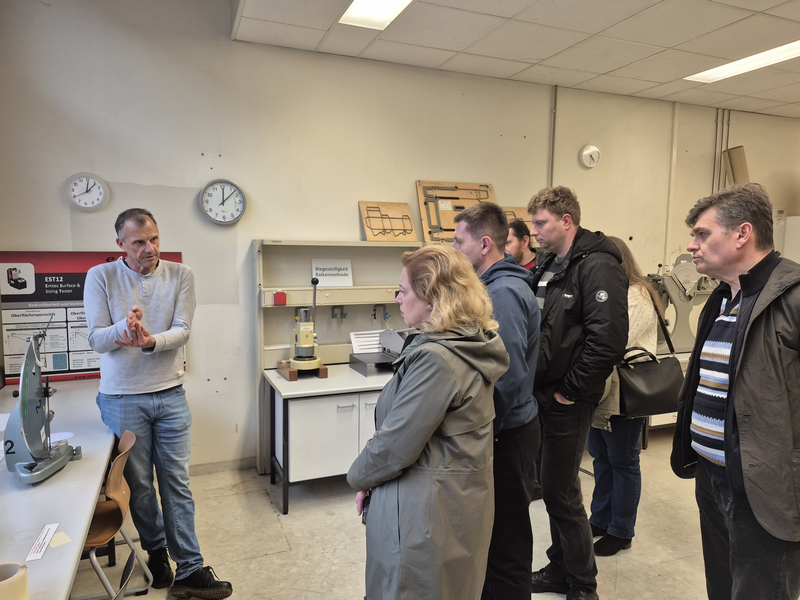
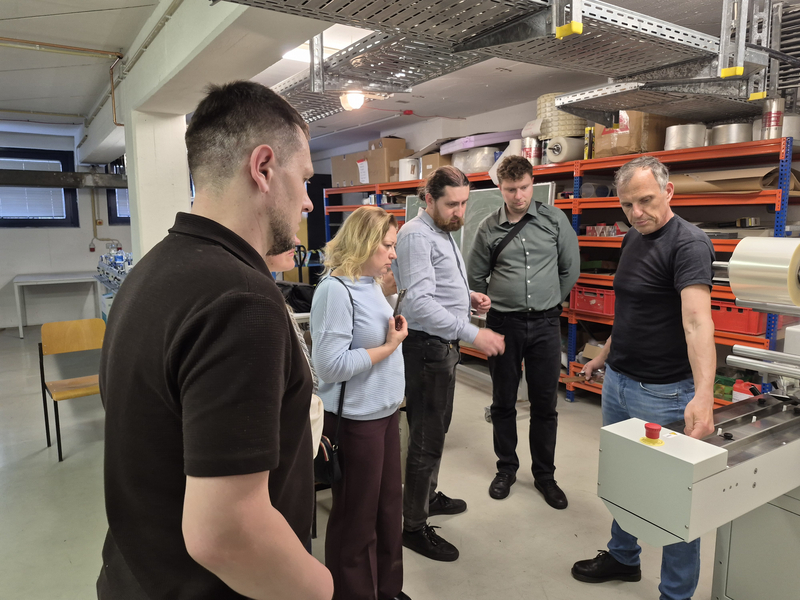
Another highlight of the programme was the visit to the packaging laboratories conducted by Prof. Stefan Junge, where participants discussed modern packaging technologies, teaching approaches, and possibilities for future collaboration. Throughout the visit, both Ukrainian and German colleagues exchanged insights into their academic structures, research priorities, and innovative educational approaches, further strengthening cooperation between the partner universities.
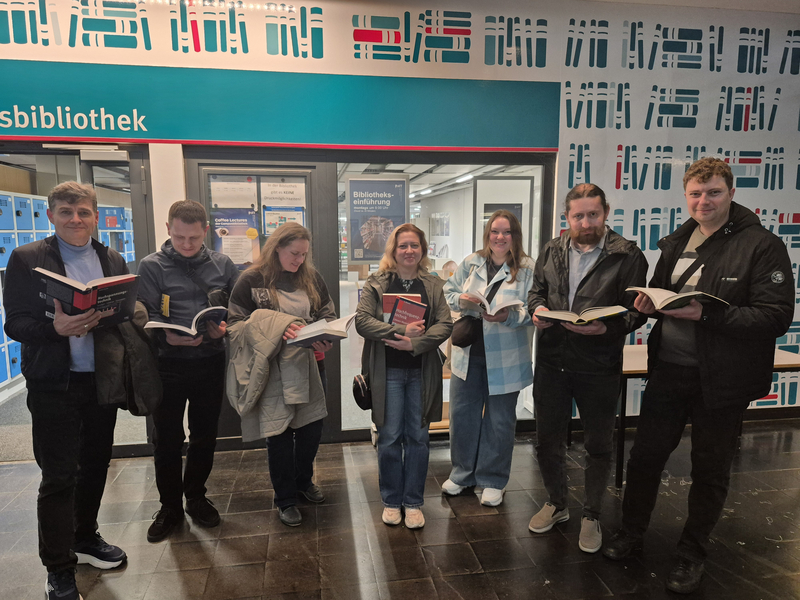
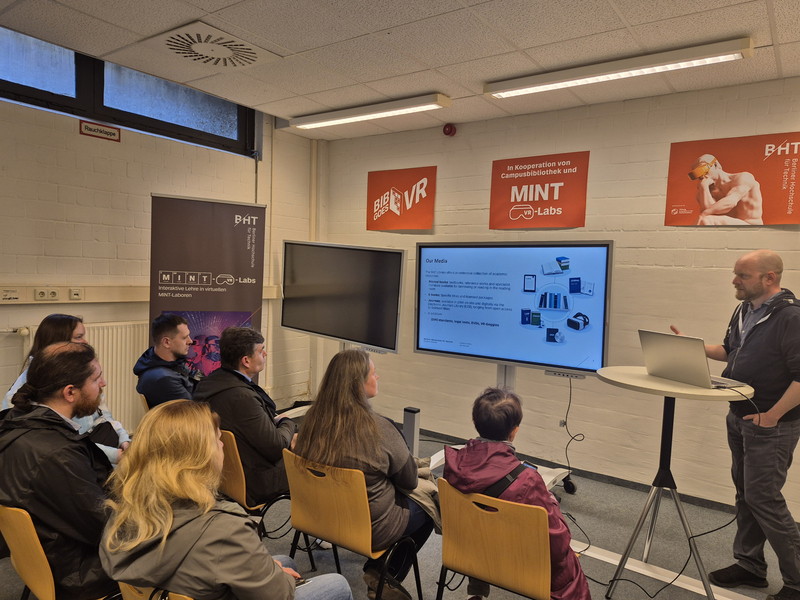
The guests also visited the BHT library, where Jan Worath introduced innovative library services, modern learning spaces, and support opportunities for students and researchers.
Beyond the official programme, the visit created valuable opportunities for networking and academic exchange. Discussions throughout the week focused on future COIL initiatives, joint student activities, research cooperation, and possibilities for expanding international mobility within the PACK IT network.
The visit once again demonstrated that sustainable international cooperation is built through openness, dialogue, and shared academic engagement. Especially in challenging times, such exchanges strengthen professional connections, encourage innovation, and create new opportunities for students, researchers, and universities on both sides.