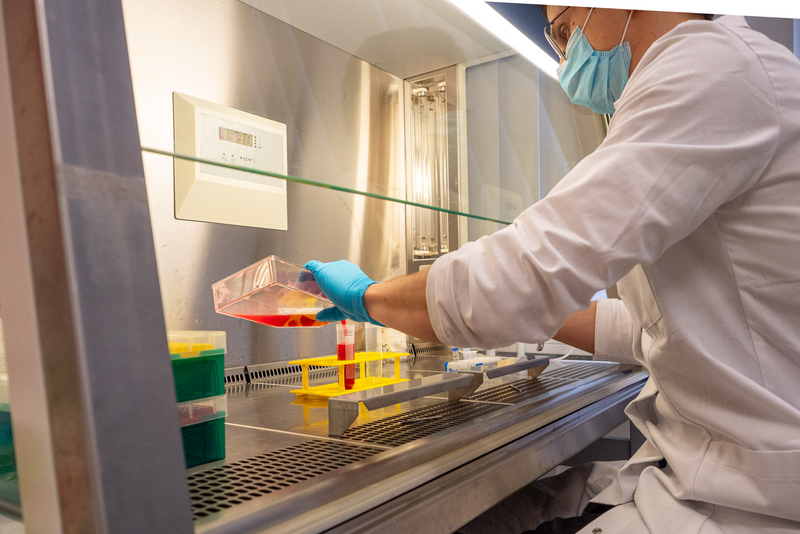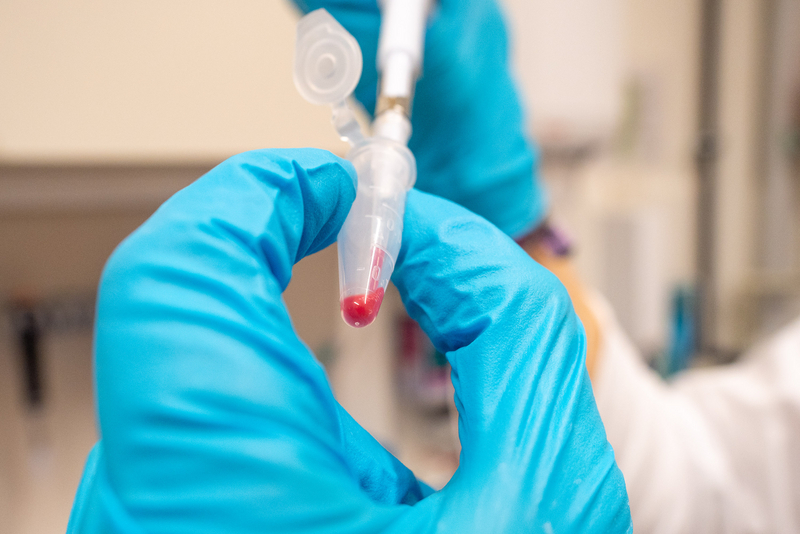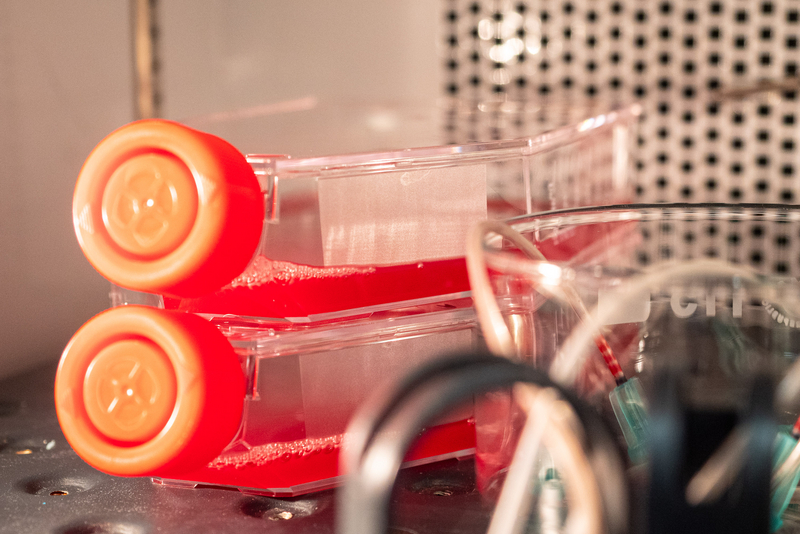
Prof. Dr. Simone B. Reber is an internationally recognized scientist and expert in quantitative biology. Since November 2018, she has been Professor of Biochemistry at the Berliner Hochschule für Technik, and in January 2023 she was appointed Max Planck Fellow at the Max Planck Institute for Infection Biology in Berlin.
Her academic career began in 2000–2001 as a CDS Fellow in the Department of Genome Sciences at the University of Washington in Seattle, USA. She subsequently spent 2002–2003 as an International Fellow at ETH Zurich, Switzerland. In 2003, she joined the Center for Molecular Biology (ZMBH) at Heidelberg University as an interdisciplinary doctoral fellow and completed her PhD there in 2007.
Following a postdoctoral fellowship at the Max Planck Institute of Molecular Cell Biology and Genetics in Dresden (2008–2014), Prof. Reber received the Young Leader in Science Fellowship from the Schering Foundation. She subsequently established and led an independent junior research group at Humboldt-Universität zu Berlin (2015–2022) before being appointed Max Planck Fellow in 2023.
Prof. Reber's research focuses on quantitative cell biology, with particular emphasis on spindle architecture and microtubule-dependent processes during the cell cycle. She has authored numerous scientific publications in leading international journals, including Nature Communications, Developmental Cell, and Current Biology.
She is a frequent invited keynote speaker at major international conferences, including the International Xenopus Conference, the ASCB | EMBO Meeting (USA), and the Biological Condensates Workshop in Spain.
In addition to her research activities, Prof. Reber serves the scientific community through memberships in professional organizations such as the German Society for Cell Biology (DGZ) and the Biophysical Society. She also acts as a reviewer for research funding organizations, including the German Research Foundation (DFG) and the European Research Council (ERC).
Prof. Reber has an outstanding track record in acquiring competitive third-party funding, securing more than €3.5 million over the past seven years. Her funding includes research grants and fellowships from prestigious organizations such as the Max Planck Society, the German Research Foundation (DFG), the German Federal Ministry of Education and Research (BMBF), and the Princeton–Humboldt Strategic Partnership Program.